Unlocking Inner you: The Wisdom of the Bhagavad Gita & the Power of Meditation
do you want to unlock spiritual growth by reading only 2 books..
so what he hell is spirituality anyway??

"What the hell will it contribute to my life??
1. Mental Clarity and Focus
Spiritual books often guide you in understanding the mind and learning to focus on the present moment. They teach valuable lessons about letting go of distractions, which can improve your clarity and decision-making.
Benefit: You’ll develop a sharper mind and be able to make decisions with greater confidence and intention.
2. Emotional Healing and Balance
Many spiritual texts address how to deal with emotional struggles, teaching us to approach our feelings with acceptance and understanding. These books help us process emotions more effectively and develop emotional resilience.
Benefit: You’ll find yourself better equipped to handle life’s ups and downs with grace and calm.
3. Self-Awareness and Growth
Reading spiritual literature encourages deep self-reflection. As you learn more about the teachings, you begin to understand your true nature, your values, and your life’s purpose.
Benefit: Increased self-awareness leads to personal growth and a stronger sense of direction in life.
4. Inner Peace
Spiritual books often emphasize the importance of living in harmony with oneself and the world. They guide you in finding inner peace by understanding life’s impermanence and learning how to accept things as they are.
Benefit: You'll cultivate a sense of inner peace, reducing stress and increasing your overall well-being.
5. Compassion and Better Relationships
Spiritual teachings often focus on love, kindness, and compassion. They encourage us to treat others with respect and empathy, helping us form deeper, more meaningful connections.
Benefit: Stronger, more fulfilling relationships based on understanding and compassion.
6. A Sense of Purpose
Many spiritual books explore the concept of purpose in life, helping you reflect on what truly matters. They guide you toward living a life aligned with your deepest values and aspirations.
Benefit: Reading these books will inspire you to live with greater intention and follow a path that feels meaningful.
which are the 2 books??
1 Bagavad Gita
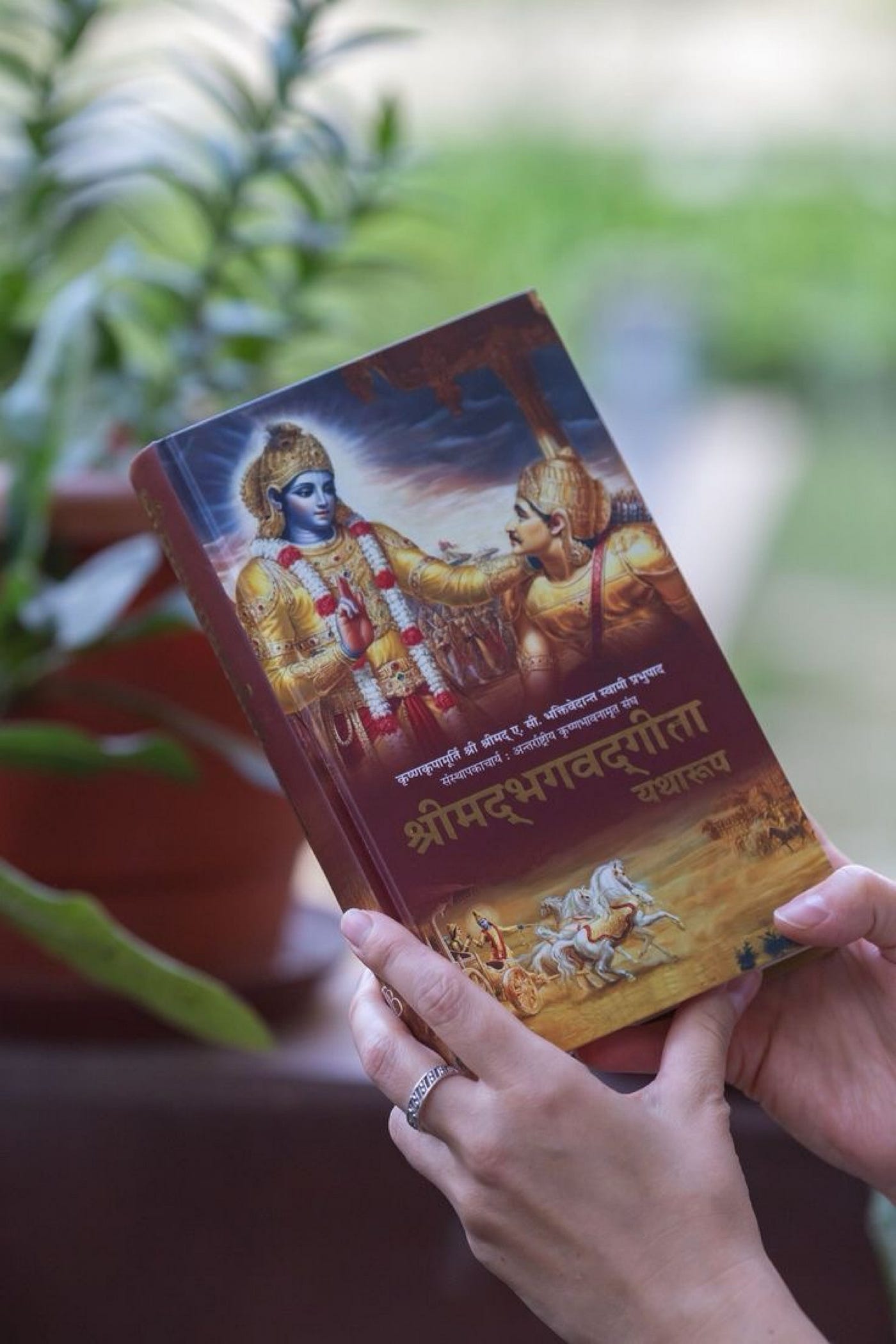
Book Review: The Bhagavad Gita – A Timeless Guide
The Bhagavad Gita is a spiritual classic that continues to inspire millions worldwide. This 700-verse dialogue between Prince Arjuna and Lord Krishna offers profound insights into life, duty, and spirituality.
Key Themes
The Gita explores important concepts like duty (dharma), the self (atman), and devotion, providing guidance on how to live a balanced and purposeful life. It teaches that selfless action, mindfulness, and detachment are key to personal growth and spiritual fulfillment.
Practical Relevance
Despite its ancient origins, the Bhagavad Gita provides timeless wisdom that can be applied in modern life. Its emphasis on performing one’s duty without attachment to outcomes is especially valuable for overcoming life’s challenges. However, the religious context might not resonate with everyone, particularly those with secular beliefs.
Writing Style
The poetic and philosophical nature of the original Sanskrit text can be difficult for some readers. Thankfully, modern translations and commentaries make the teachings more accessible, though the depth of the original text can sometimes be lost.
Final Thoughts
The Bhagavad Gita is the words of the god himself. The book is written in a manner that the arjun ask questions to krishna(god). The questions from the arjun represents what you need to know about the life and the answer to the question you were thinking of. the book is deep you can't read it and understand it in just couple of days, take your time and read sum pages and reflect on your day.
2 Meditation

So, What the Hell Is Meditation Anyway?
Alright, we’ve all heard it—“You need to meditate!” But seriously, what’s the point? Everyone seems to be hopping on the meditation bandwagon these days, but no one really explains what it actually does. Let’s cut through the fluff and figure out why you should even care.
Meditation: Not What You Think
First off, meditation isn’t about sitting cross-legged in a robe, chanting in some mystical language while pretending you’ve got your life figured out. It’s way simpler (and honestly, less annoying) than that. Meditation is just a practice of shutting off your mind from all the stuff—work, social media, that voice in your head telling you to do a million things. It’s about creating space for some silence. That's it.
What’s It Really Gonna Do For Me?
Now, you’re probably asking yourself, “Why bother?” Fair question. Meditation won’t solve all your problems or make life magically perfect. But what it will do is help you manage the crap that life throws at you. Stress? Check. Anxiety? Check. Overthinking every damn thing? Double-check. Meditation gives you the ability to step back and not let everything get to you. It doesn’t fix everything, but it definitely gives you some peace in a chaotic world.
No Guru Vibes Here
Here’s the thing: you don’t need to wear a robe, light incense, or chant weird phrases to meditate. This isn’t about “finding your spiritual path” or becoming some guru. Nope. You can meditate anywhere, anytime. At home, at work, or even while walking down the street. It’s about focusing on your breath, letting go of the noise, and just being present.
What Happens When You Actually Try It?
Alright, so let’s be real: your first time meditating? It’s probably gonna feel weird. Your mind’s gonna wander, you’ll start thinking about your to-do list, or what’s for dinner. Totally normal. But that’s the point. You’re training your brain to be present and not constantly jump from one thing to the next. Stick with it, and you’ll notice that you can focus for longer periods, you won’t be as stressed, and maybe—just maybe—you’ll sleep better.
The Real Benefit: Mental Clarity
So, what does meditation really give you? Clarity. That’s the magic word here. It helps clear the fog in your head and gives you space to think more clearly. When life’s throwing a million things your way, meditation helps you filter out the noise and focus on what really matters. You don’t have to have everything figured out, but you’ll be able to deal with things a whole lot better.
Final Thoughts: Give It A Shot
The book offers a series of questions that you can ask yourself when you’re in a tough situation and about to lose your temper. It helps you take a step back and think, Is this really important? Should I even react to this? If you decide that you should, it helps guide you on what kind of reaction would be the best one in that moment. These questions are like a shot of whiskey—it kind of knocks you into a different state of mind. But, just like with whiskey, you need to keep repeating the process to become better at it. This is the essence of Stoicism—the philosophy of the Stoics, the ones who taught us how to stay calm and collected in all kinds of situations.
The book can be heavy. It’s not something you’ll understand fully in one go. But here’s the thing: the more you come back to it, the more you start to understand its meaning. It’s like re-reading a good book or watching a movie again—you catch things you missed the first time, and it makes more sense with each repeat.
Fun Facts About Meditations by Marcus Aurelius
It Wasn't Meant to Be Published: Meditations was never intended for the public. Marcus wrote it as a personal reflection, like a journal for himself.
Written During a Busy Time: Despite being a Roman Emperor, Marcus still made time to write down his Stoic thoughts while managing the empire.
The Only Surviving Work: Meditations is the only surviving work by Marcus, offering us a rare glimpse into his mind.
Stoicism Wasn’t Popular Back Then: Stoicism wasn’t the most popular philosophy in ancient Rome, but Marcus stuck to it anyway.
It’s Seen as a "Self-Help" Book Today: Many of Marcus's insights on emotional control and mindfulness align with modern-day self-help advice.
Written in Greek, Not Latin: Though Roman, Marcus wrote in Greek, the language of intellectuals at the time.
• Book Title: Meditations
• Author: Marcus Aurelius
• Page Count: Generally around 250-300 pages, depending on the edition and translation.
• Original Language: Greek
• Genre: Philosophy, Self-help, Stoicism
• First Published: Posthumously, around 180 AD
Conclusion: The Path to a New Perspective
Spirituality: Not a Quick Fix
Let’s be real—spirituality isn’t going to magically solve all your problems. It’s a journey, not an instant transformation. But the two books we’ve talked about—the Bhagavad Gita and Meditations—are like guides that can lead you to a deeper understanding of yourself and the world around you.
The Power of Reflection
These books are deep. They’re not something you read once and expect to get it all. The wisdom inside requires time, reflection, and patience. But as you revisit the teachings, you'll start to understand more about life, your emotions, and your purpose.
A Shift in Perspective
If you commit to reading and reflecting on these texts, you'll notice a shift. You'll begin to handle life’s challenges with more clarity, calm, and focus. Instead of reacting, you’ll learn how to respond thoughtfully and with intention. It’s not about perfection; it’s about growth, one step at a time.
Time to Start Your Journey
So, if you’re tired of feeling lost or constantly caught up in chaos, these books are a good place to start. Take your time with them, let the wisdom sink in, and watch as you start to live with more purpose and peace.

Comments
Post a Comment